Shipping Containers for Sale for Offices, Storage and Site Projects
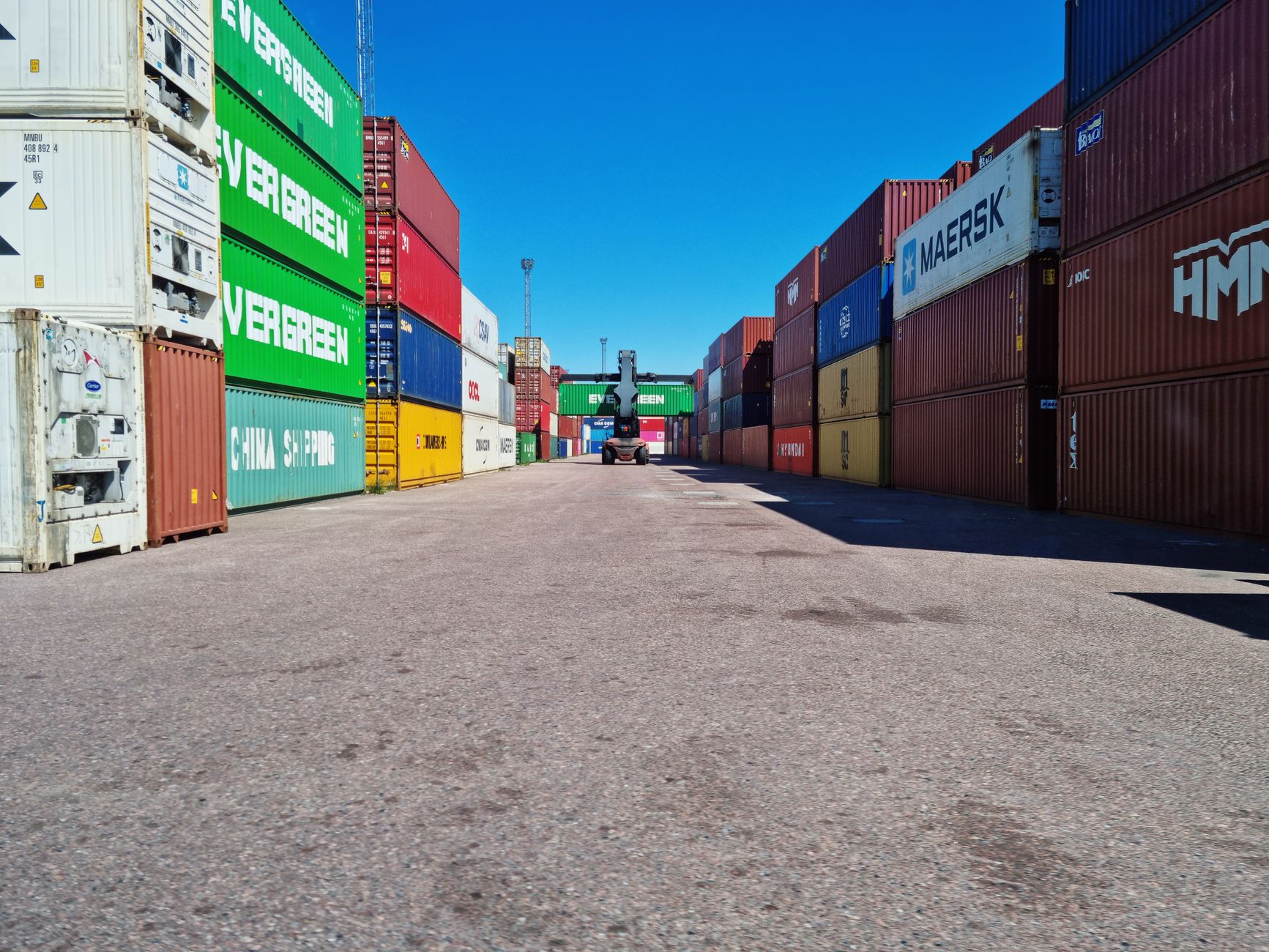
Shipping containers for sale serve three distinct roles in Singapore’s commercial and construction landscape, each with its own requirements and decision criteria. As a storage solution, as a temporary or permanent office, and as a site facility during construction projects, the steel container has proved its versatility across industries and property types. Understanding what makes a container suitable for each application helps buyers choose the right unit and specification without paying for features they do not need.
Containers as Site Offices
The construction site office is one of the most common applications for containers in Singapore. A project that runs for twelve months needs a management base from day one, and building a conventional temporary structure uses budget and time that could go into the project itself. A container office, delivered to site and connected to power and data, is operational within a day of arrival.
A 20-foot container converted for office use comfortably accommodates three to four workstations with storage. A 40-foot unit can house a larger team, a meeting area, and a filing and equipment zone. High-cube variants are preferred for office conversions because the additional interior height, roughly 2.7 metres against the standard 2.4 – makes the space feel less confined once fit-out materials are installed.
Insulation, air conditioning, and electrical fit-out are standard modifications for office use. Security measures including reinforced doors, window grilles, and alarm connections can be added for sites handling sensitive equipment or documents.
Storage Applications Across Industries
Shipping containers for sale as storage units suit an unusually broad range of industries in Singapore. Construction companies use them for tool, material, and equipment storage at active sites. Retailers use them for overflow stock storage near distribution points. Event companies store staging, lighting, and furniture in containers between events. Manufacturers hold raw materials and finished goods in containers when warehouse space is constrained.
The appeal is consistent across these applications: a container is weatherproof, secure, stackable, and relocatable. It does not require a building permit for temporary placement, and it can be sold or moved when the requirement changes. For businesses managing storage on a project-by-project basis, this flexibility is exactly what a leased warehouse space cannot provide.
Site Facility Planning
Construction sites, industrial projects, and large-scale events in Singapore typically deploy a combination of container types in a planned configuration. A site might use a 20-foot office container for the project team, a 40-foot store for tools and materials, and an additional unit as a worker rest area or welfare facility. This modular approach allows the site facility to scale with the project and be reconfigured if the project scope changes.
Planning the container layout for a site requires considering access, ground conditions, service connections, and any NEA or BCA requirements for temporary structures. A supplier who provides delivery, placement, and basic service connection as part of the package simplifies this planning considerably.
As former National Development Minister Desmond Lee has noted about Singapore’s construction sector, “Efficiency on site drives efficiency in the broader economy.” Container-based site facilities contribute to that efficiency by reducing the time and cost of setting up and closing down project infrastructure.
What to Confirm Before Buying
Before purchasing containers for sale for office, storage, or site use, buyers should confirm several practical details. Ground conditions at the placement site determine what preparation is needed before delivery – a stable, level surface is required for safe container placement, and some sites need concrete pads or timber sleepers to distribute the load. Access for the delivery vehicle, typically a tilt-tray truck or side-loader, needs to be confirmed against the vehicle’s width, turning circle, and approach height.
Regulatory requirements also apply. The Building and Construction Authority may require notification or approval for container structures placed on certain sites, particularly where structural modifications have been made. Singapore Customs has requirements for containers used in bonded logistics contexts.
Buyers can consult BCA guidelines on temporary structures and site facilities for current requirements before purchasing and placing containers on a commercial or development site.
For businesses and project teams across Singapore that need flexible, durable facilities for offices, storage, or site deployment, shipping containers for sale from a reputable supplier represent a practical and cost-effective solution that scales with the requirement.

The Fashionable Strength of Personalized Luggage Tags: A Combination of Identity and Security


