PR pros must balance reporter ties with AI-friendly messaging
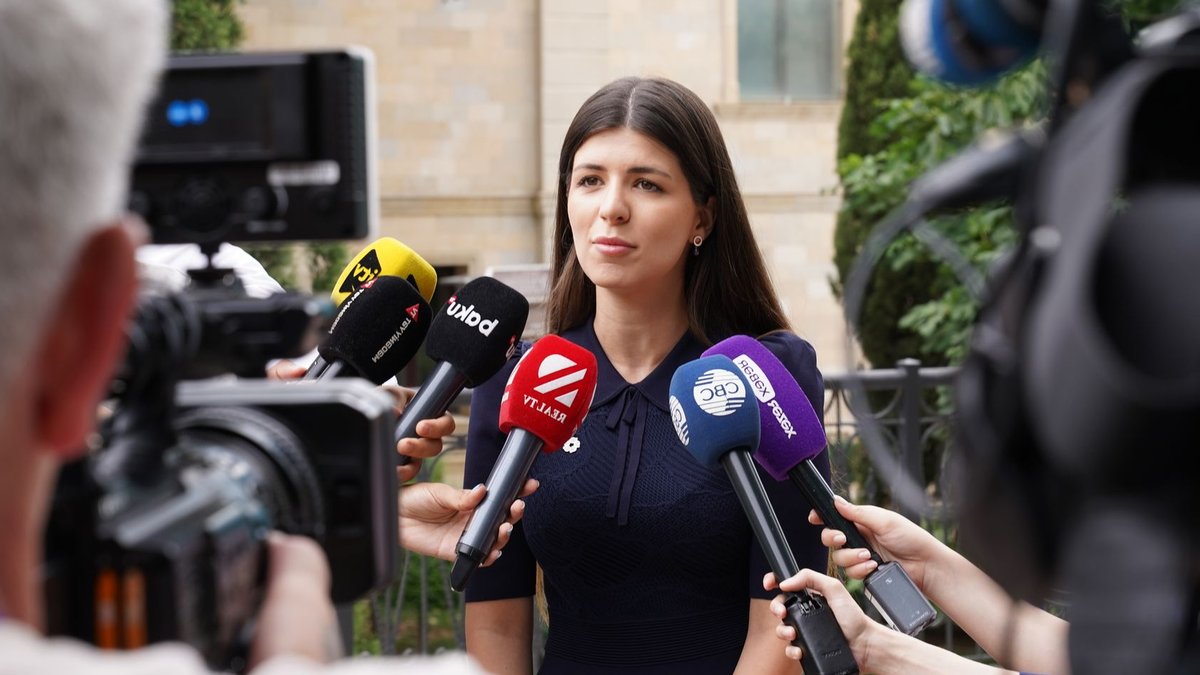
Mark Schoeff Jr., president of the National Press Club and a former press secretary and financial reporter, advises public relations teams to establish relationships with reporters before a story erupts—not after the fact. This approach reflects a broader transformation in how communicators and journalists engage, particularly as digital platforms alter the flow of information.
While direct media outreach remains essential, AI-driven search tools now influence public perception by shaping how news is discovered. A well-crafted press release today must serve two audiences: reporters and the algorithms that feed AI responses.
Cassie Clark, a communications strategist, explains how to adapt press releases for AI visibility. Effective optimization depends on structuring content so search systems can extract and present it accurately. She emphasizes the need for clear headings, concise summaries, and structured data—elements that help AI tools surface a brand’s key messages when users pose questions.
The dual strategy, maintaining reporter relationships while preparing for AI discovery, presents a significant challenge. For PR teams, the task is balancing traditional media tactics with the demands of digital tools. Journalists, meanwhile, must ensure their reporting retains authority even as AI increasingly determines how stories are found and consumed.
The National Press Club, under Schoeff’s leadership, has long functioned as a connection point between these two groups. Its programs facilitate direct interactions between communicators and reporters, helping to prevent misunderstandings before they escalate. Schoeff’s dual background, first as a press secretary, then as a reporter, provides unique insight into how both sides operate. He warns that while AI can assist reporting, it should never replace human judgment.
Related Post: Former Press Secretary Advocates Relationship-Building with Journalists
“We should use AI to augment our reporting. But never use AI to write a story. The reporter must begin with a blank screen and fill it with his or her words.” –Mark Schoeff Jr., president of the National Press Club
This principle becomes more critical as AI tools advance. Press releases optimized for search engines risk becoming mere data points in automated systems unless they remain tied to real reporting. Schoeff advises that the best results occur when human expertise guides both the message and its delivery.
For PR professionals, the lesson is clear: strong reporter relationships remain vital, but so does an understanding of how AI processes information. These two approaches are not in opposition; they complement each other. A release that resonates with a journalist may also rank higher in AI-generated summaries. The objective is not to prioritize one over the other but to ensure they function together.
As digital platforms grow, the distinction between reporters and algorithms continues to blur. A modern press release must fulfill multiple roles: informing journalists, feeding AI systems, and reinforcing a brand’s credibility. Organizations that thrive will treat both pathways, human and automated, as equally essential.


