EU Highlights Offshore Wind, Defense at Munich
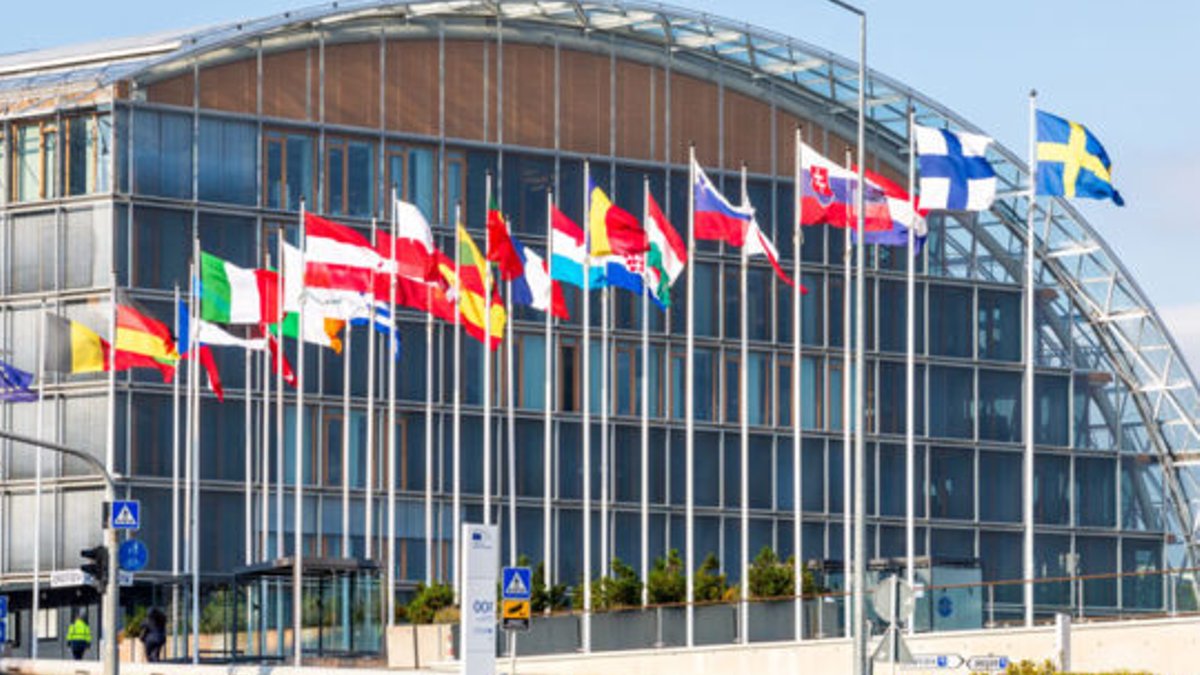
At the recent Munich Security Conference, officials emphasized a growing sense of trust in the bloc, highlighting its role as a leading force in technology, trade and industry.
Offshore wind fuels new jobs
Off the northern coast of Poland, a massive offshore wind farm is under construction. 233 turbines, each nearly as tall as the Eiffel Tower, will rise from the seabed. German rotors, Danish foundations and cables sourced from Poland and Greece illustrate a cross-border supply chain.
The project is expected to create thousands of positions across manufacturing, logistics and maintenance. When operational, the turbines will generate enough electricity for 5.5 million households, adding a significant share of clean power to the region’s grid.
Beyond local benefits, the farms link the windy seas of the north with the sun-rich coasts of the south. New undersea cables and interconnectors are being laid to form a trans-continental electricity superhighway, enabling surplus power to flow between distant markets.
Financing the transition
Cutting-edge fibre-optic sensors, pioneered by innovators in the Netherlands, will monitor the seabed to protect critical assets. Belgium is developing satellite constellations for enhanced space surveillance, while France and Spain supply advanced radar systems. All will operate on AI-driven 6G networks designed in Finland.
The Investment Bank reported financing 900 projects last year, leveraging EU budget guarantees to attract private capital. These investments span renewable energy, rail infrastructure and efficiency upgrades for small enterprises across the union.
In 2025, total spending on the energy transition reached a record near €400 bn. The market value of renewable-energy firms grew by more than 50 percent in a single year, reflecting rapid scaling of clean-technology capacity.
Defence-related investments are rising even faster. Stocks of companies producing military equipment have tripled in value over the past three years, and production capacity for critical items such as artillery shells now surpasses that of the United States.
A venture-capital ecosystem focused on security and defence startups has emerged almost overnight, providing early-stage funding to firms developing drones, cyber-defence tools and autonomous systems.
The swift creation of a COVID-19 vaccine by a European biotech firm in 2020 highlighted the bloc’s capacity to mobilise science under pressure.
Economic vitality and social indicators
Unemployment rates sit near historic lows, while growth trends have accelerated.
Eurozone output outperformed both China and the United States during the pandemic-induced shock, demonstrating the region’s capacity to sustain expansion under pressure.
Equity markets across the continent have delivered strong returns, with European shares beating their U.S. counterparts in 2025. Investors have rewarded firms that align with the green and security agendas outlined at Munich.
Strategic reach and global partnerships
Trade networks span worldwide, anchored by an extensive web of free-trade agreements that position Europe as the leading global trading power.
Humanitarian assistance flows from the bloc to many regions, funding vaccination drives and water-supply projects in cities such as Amman and Karachi.
President of the European Investment Bank Nadia Calviño highlighted the need for deeper capital-market integration to sustain large-scale infrastructure investments.
Partnerships continue to expand, linking European research centres with emerging markets to diversify supply chains and open new outlets for European goods.


