Kenya launches massive oil refinery project
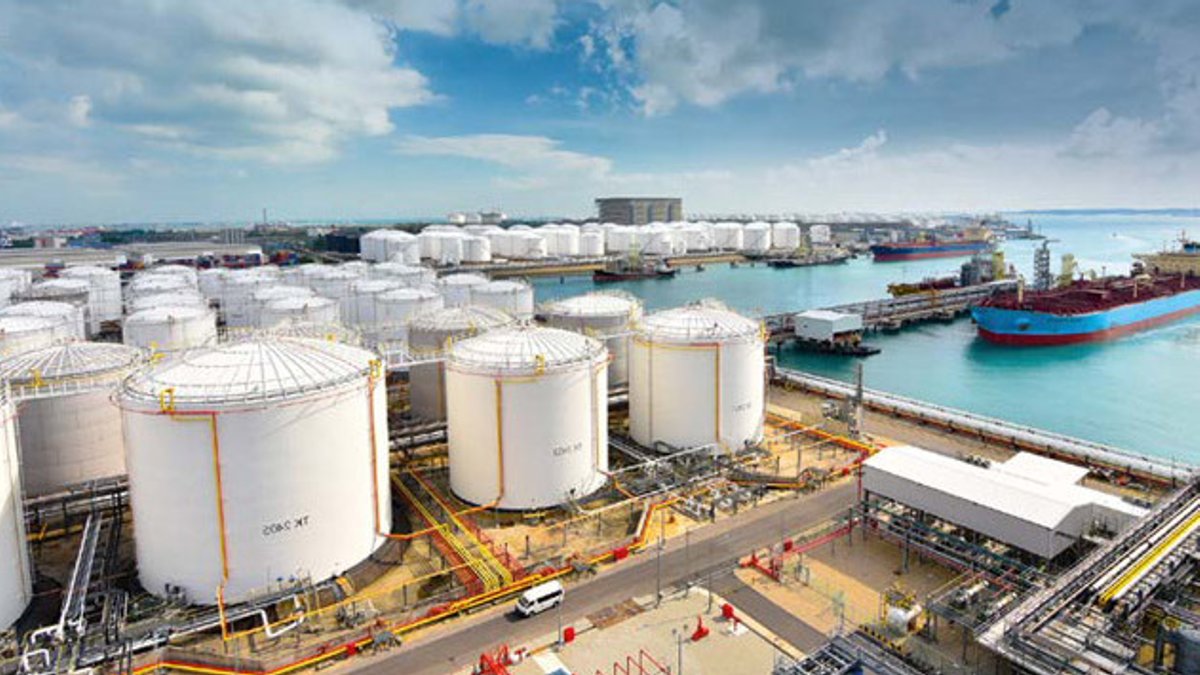
On September 30, Kenya will commence construction of the East Africa Oil Refinery in Lamu, supported by Dangote, with Kenyan officials estimating its value at $17 billion, while Aliko Dangote places it at $20 billion. The facility aims to refine 700,000 barrels of crude oil daily at Lamu’s deep-water port.
The project will serve Kenya, Uganda, South Sudan, Rwanda, Burundi, and the Democratic Republic of Congo. Disclosed financing for the project totals $1.6 billion, with Tanzanian billionaire Mohammed Dewji committing $100 million.
Dangote Group has offered East African nations a combined 30% equity stake valued at $1.5 billion, with Kenya’s economic adviser David Ndii estimating the country’s individual 10% allocation at about $500 million.
Two separate pipelines are tied to the Kenya project, although neither has a disclosed cost, capacity, or completion date. President Ruto has discussed construction of a line from Turkana’s oil fields to Lamu to unlock the oil supply in Turkana.
Read Also: Yemen Conflict Raises Oil Prices
Dangote is also building two more pipelines unrelated to Kenya, including a Djibouti-Ethiopia gas and petroleum pipeline and a $3.5 billion corridor connecting Namibia, Botswana, and South Africa. The combined program is valued at $46 billion to $50 billion and spans roughly 4,000 kilometers of pipeline across the continent.
The Kenya refinery faces competition from a regional project of similar scale in Tanga, Tanzania, which is being developed by Vitol Bahrain. Uganda is backing both the Lamu and Tanga projects, as well as advancing its own refinery in Hoima. Notably, Uganda had previously abandoned a joint pipeline route with Kenya in favor of Tanzania’s back in 2016, and is now simultaneously supporting both the Lamu and Tanga projects while also developing its own 60,000-barrel-per-day refinery.
Dangote anticipates completion of the refinery around 2029 to 2030, with construction beginning in October and running for approximately three years after the start of construction. Uganda’s decision to back both projects reflects the complex and complex nature of regional energy development, with the country also pursuing its own UAE-backed refinery project in Hoima, in addition to the separate $3.5 billion corridor that will connect Namibia, Botswana, and South Africa.

Yemen Conflict Raises Oil Prices


