Yemen Conflict Raises Oil Prices
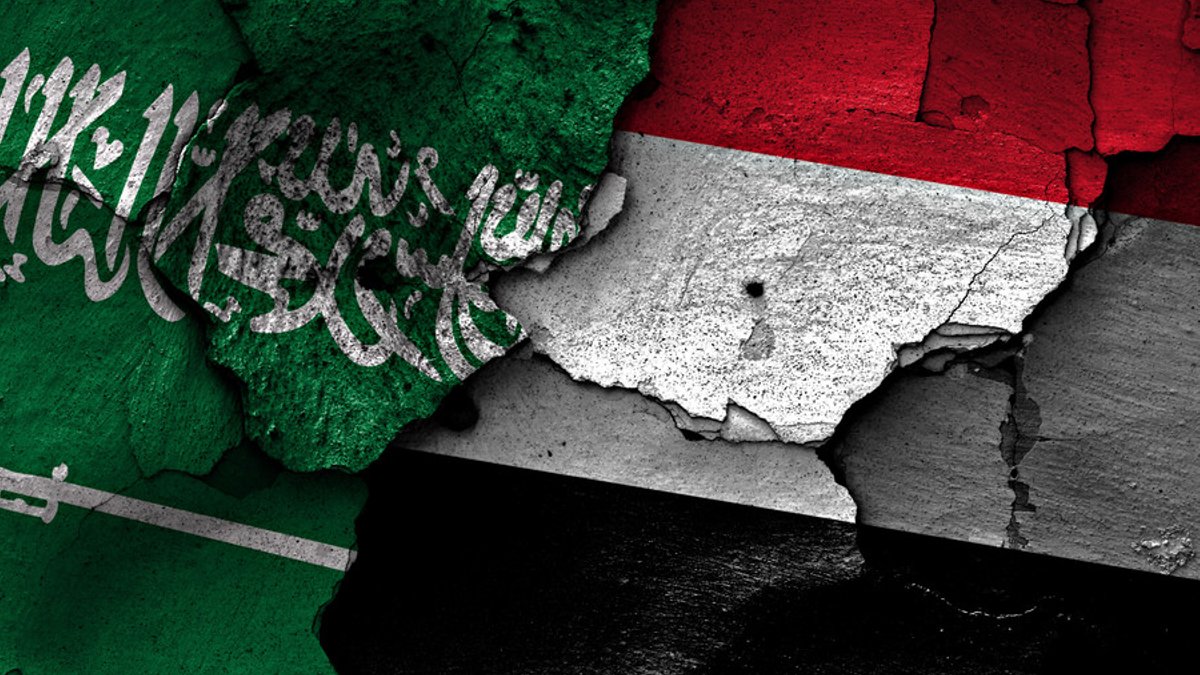
Yemen’s hostilities have intensified recently, with the Houthi rebels taking over almost the entire Red Sea coast and the Bab al-Mandab Strait, a vital trade chokepoint. The militants have also stepped up assaults on energy sites in Saudi Arabia, the globe’s top oil exporter.
Impact on Global Oil Markets
The escalation in the Houthi-Saudi conflict has contributed to a recent surge in oil prices, which rose to $110 on September 15, the highest in months, before falling slightly. Experts warn that a prolonged shutdown of Saudi Arabia’s critical East-West pipeline or a Houthi attempt to block the Bab al-Mandab Strait could send shockwaves around the world.
According to Gregory Brew, an oil expert and senior analyst at the Eurasia Group, “It continues to be a dynamic of two conflicts – the Saudi-Houthi conflict and the US-Iran conflict, both of which are putting pressure on international oil markets and the international oil supply.”
US Involvement and Cease-Fire
The Houthis agreed to a cease-fire with Washington last year after a months-long US bombing campaign. The Houthis have given Washington assurances that they will not block the Bab al-Mandab Strait or attack international shipping in the Red Sea, except for Saudi vessels, according to reports. US officials met Houthi leaders in neighboring Oman on September 15.
Thomas Juneau, a Middle East expert and professor at the University of Ottawa, said, “From the US perspective, the logic is very clear. With the US at war with Iran in the Persian Gulf and less than two months to go to midterm elections, “President Trump clearly doesn’t want another quagmire in Yemen.” “From the Houthi perspective, I think there’s also a clear rationale,” Juneau added.
Related Post: Saudi oil rerouting pushes prices lower amid pipeline repairs
Saudi Arabia’s Setback
The events in Yemen pose a major setback for Saudi Arabia, which launched a devastating military intervention in support of Yemen’s government in 2015. Riyadh’s allies in Yemen have been routed, and the kingdom is facing growing attacks from the Houthis as well as other armed groups in the region that are backed by Iran.
The damage to Saudi Arabia’s East-West pipeline has also throttled the country’s ability to export oil, which has put pressure on global supplies. It is unclear when the pipeline – the main alternative route for Riyadh to export its oil after the closure of the Strait of Hormuz – will go back online.
According to Kpler, a commodity intelligence company, the world will lose around 120 million barrels of oil if the pipeline is out of service for a month. Juneau said, “Right now, it is just the convergence of catastrophic scenarios for the Saudis with the Strait of Hormuz closed almost completely, with the Bab al-Mandab at least partially closed, and with the East-West pipeline having been damaged.”
The Yemen conflict has been ongoing for years. Goldman Sachs has warned that global oil prices could reach $120 a barrel if the Iran and Yemen conflicts continue. The situation remains volatile, with both the US and Iran engaging in sporadic strikes, including on shipping.

UK Growth Forecast 1.3% Clouded by Energy Costs


