Australia Eases Gas Export Rules for LNG Producers
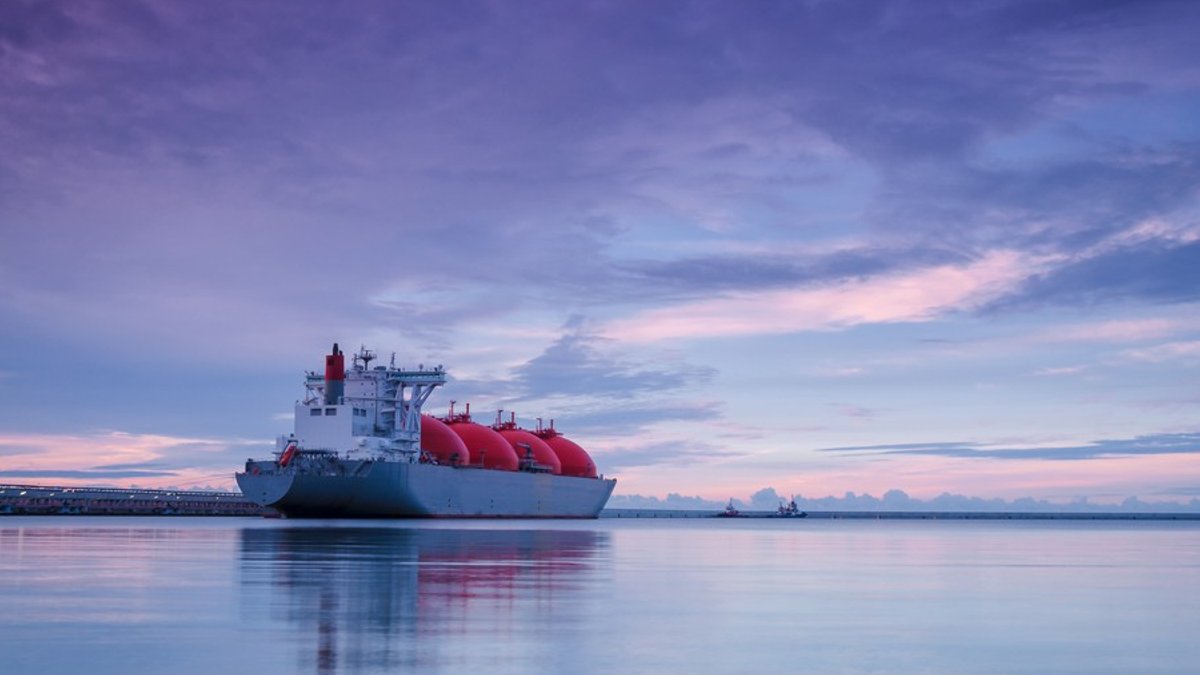
Australia’s government has softened its gas reservation policy for liquefied natural gas (LNG) exporters. Producers will now reserve up to 20% of their output for the domestic market, down from the original 20% mandate. This adjustment reflects a subtle approach to balancing domestic energy needs with export commitments, a critical issue for a nation heavily reliant on LNG exports.
The change comes after concerns about potential gas shortages, particularly on the east coast. Last year, the country’s competition regulator warned of a possible deficit by December. The Australian Domestic Gas Security Mechanism temporarily averted this crisis, but the risk remains. The east coast’s vulnerability is exacerbated by its high population density and industrial activity, making it more susceptible to supply disruptions compared to other regions.
Read Also: Chalmers prioritizes superannuation in upcoming election
According to Energy Minister Chris Bowen, the revised policy could add 200 petajoules to the domestic supply, exceeding the projected shortage of 140 petajoules. Bowen stated, “The scheme ensures domestic customers can buy from a larger pool of gas, reducing the risk of tight market conditions driving price spikes, promoting long-term contracting and shielding them from global volatility.” This additional supply is expected to stabilize prices and enhance energy security for households and businesses, particularly during peak demand periods.
The Australian Energy Regulator will determine the exact reservation percentage for each LNG producer. This policy builds on the 2017 mechanism to secure gas supply for Australia, a top global LNG exporter. The regulator’s role is key in ensuring that the reservation levels are both fair and effective, taking into account the varying capacities and operational constraints of different producers.
The energy industry has criticized the policy. The Australian Domestic Gas Security Mechanism was introduced to prevent domestic shortages due to excessive exports. The new rules aim to strengthen this security further. Industry stakeholders argue that the policy could deter investment in new LNG projects, potentially undermining Australia’s long-term export capabilities and its position in the global energy market.
Read Also: Former CEO banned after financial collapses
This adjustment may provide a temporary solution, but it’s uncertain if it will fully address the underlying issues. The government’s focus on domestic supply could impact Australia’s position as a major LNG exporter, potentially affecting global energy markets. As the policy unfolds, its long-term effects on both domestic and international fronts will become clearer. The interplay between domestic security and export obligations will be a key area of focus, with potential implications for trade relationships and energy pricing globally.
The east coast’s vulnerability to supply shortages remains a concern. While the additional 200 petajoules may offset projected deficits, it’s unclear if this will be sufficient in the long term. The energy industry’s reaction suggests a need for further dialogue to balance domestic security and export commitments. Addressing this imbalance will require ongoing collaboration between government, regulators, and industry players to ensure a sustainable and equitable energy future for Australia. The policy’s success will depend on its ability to adapt to evolving market conditions and technological advancements in the energy sector.

Chalmers prioritizes superannuation in upcoming election


